April 10, 2026
The Anatomy of a Website Launch: What Really Goes Into a High-Performing Home Builder Website
Launching a new website is always exciting! It brings a new design, fresh content, improved lead generation, and stronger first impressions.
But let’s be honest. A website launch is not a single moment. It’s a process, much like building a home—only, our work happens indoors. It’s a strategic, collaborative, sometimes messy journey that, when done right, delivers a powerful sales-and-marketing engine for your business.
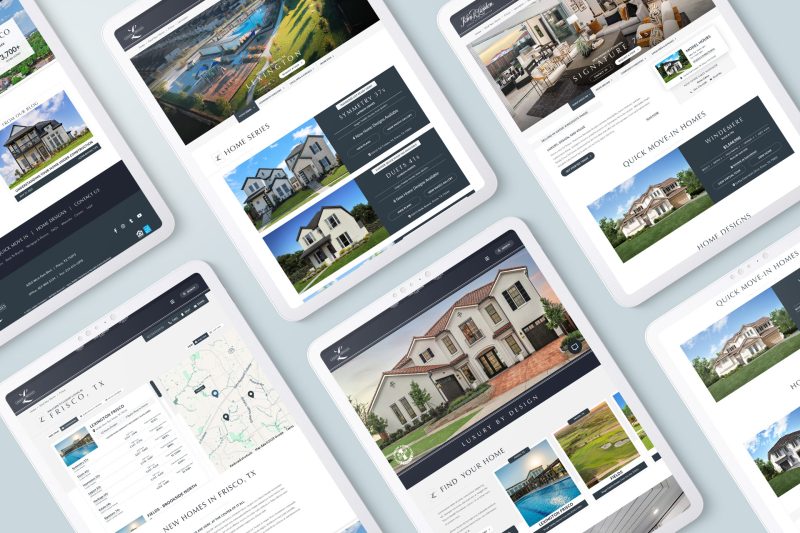
At Meredith Communications, we have launched hundreds of builder websites, including projects for Landon Homes, Carothers Homes, Green Park Homes, and D Erickson Homes. Many of our clients return for their second, third, or even fourth sites, reflecting our commitment to a proven process. We value and appreciate our repeat clients; their ongoing partnership is the highest compliment for Team MC.
Let’s break down the anatomy of a website launch so you know what to expect and how to make it successful, beginning with the true starting point of every great website project.
It Starts With Strategy, Not Design
A successful website begins with clarity before creativity. That means defining your goals, understanding your buyer, and aligning your messaging before a single design element is created. When this step is done right, it creates direction and eliminates guesswork later in the project. According to HubSpot, one of the most important pre-launch steps is to review all content and ensure it aligns with your brand and business objectives. This is also where competitive analysis comes into play, helping you position your brand in a crowded market. From there, homepage concepts are developed, typically within about 14 business days after kickoff. This phase is foundational because every future decision builds on this strategic groundwork.
The Front-End: Where First Impressions Are Made
The front-end is where strategy meets experience, and it has to work hard right away. Research shows users form an opinion about a website in just seconds, which means your design must communicate value quickly and clearly. A well-structured website should guide visitors from general information to specific actions through intuitive navigation and thoughtful page hierarchy. This includes everything from homepage layouts to community pages, floor plan displays, and available homes search functionality. Strong calls to action play a critical role here, moving visitors from browsing to engaging. Mobile-first design is no longer optional; it is expected, and every interaction should feel seamless across devices. The goal is not just a beautiful site, but one that makes it easy for buyers to take the next step.
The Back-End: The Engine Behind the Experience
While design captures attention, functionality drives results. A website is not just a collection of pages; it is a system of interconnected tools that support performance, speed, and scalability. With Meredith Communications’ Catalyst CMS (Content Management System), the back-end is built specifically for home builders, eliminating inefficiencies such as duplicate data entry and simplifying ongoing updates. Features like automated data syncing, CRM (Customer Relationship Management) integrations, and SEO-ready (Search Engine Optimization) architecture ensure the site works as hard behind the scenes as it does in front of the screen. Integrations with platforms like Zillow and Realtor.com, and with CRMs such as Lasso, HubSpot, or Salesforce, create a seamless flow of data that supports both marketing and sales efforts. This infrastructure reduces friction internally, allowing your team to focus on selling rather than managing technology.
Development: Where It All Comes Together
The development phase transforms approved designs into a fully functional website. This includes coding, system integrations, hosting setup (preparing the server space where your website lives), and performance optimization (making sure the site loads quickly and efficiently). It is a highly technical stage where precision matters, and maintaining focus on the approved plan is key to staying on schedule. Best practices emphasize the importance of staging environments—separate test versions of the website where sites are tested before going live to ensure stability and functionality. During this phase, even small changes can have ripple effects, so alignment and discipline are critical. When executed well, development creates a stable, secure, and scalable foundation that supports everything that happens after launch.
Content Loading, Testing, and Training
Content is one of the most important and most underestimated parts of a website launch. Every piece of content, from images and copy to floor plan data, must be accurate, up to date, and aligned with your brand. All content, including media and downloadable assets (files users can save from your site), should be thoroughly reviewed to ensure quality and consistency before launch. This phase also includes testing every function, from forms and integrations to navigation and responsiveness across devices. Even small issues, such as broken links or incorrect form routing (where form submissions are directed), can affect lead generation if not caught early. At the same time, your team is trained on the CMS (Content Management System), empowering them to manage and update the site moving forward. Momentum matters here because the longer this phase lasts, the more likely content will need to be updated or replaced.
The Final Stretch: Review, Approval, and Launch
The final phase brings everything together for launch. This includes reviewing the site for accuracy, making final content updates, and ensuring all tracking systems are in place. Tools like Google Analytics and Tag Manager (software that tracks user activity on your site) provide critical insights into user behavior and performance from day one. Redirects (sending old web links to new pages), SEO (Search Engine Optimization) elements, and domain configurations (setting up your website address) must also be verified to prevent traffic loss or user confusion after launch. A structured review process ensures nothing is overlooked and that the site performs as expected when it goes live. Launch day is exciting, but it is also a checkpoint, not a conclusion.
The Three Keys to a Smooth Website Launch
1. Flexibility
Flexibility is key: adapt as new insights arise. Be open to refinements and feedback—it’s how strong results happen. Focus on what works, not just the original plan. Teams that remain open to feedback and refinement tend to achieve stronger results because they focus on what works rather than what was originally planned.
2. Urgency
Act with urgency: maintain project momentum and update content quickly. Website launches that maintain momentum are more efficient and avoid unnecessary rework. Content, pricing, and availability can change quickly in the home building industry, making speed a competitive advantage.
3. Cooperation
Cooperation creates alignment between the client and the agency. Clear communication, timely feedback, and trust in the process allow both teams to do their best work. When collaboration is strong, projects move faster, decisions are clearer, and results are better.
Why Launch Is Just the Beginning
A website launch is the start of a continuous improvement process. Post-launch optimization is essential, as real user data reveals what is working and what can be improved. Ongoing monitoring, testing, and refinement maximize performance over time. With Catalyst, clients have direct access to update and enhance their site as needed, whether that means adding new communities, refining messaging, or improving SEO. This flexibility allows your website to evolve alongside your business and market conditions.
Final Thoughts: Build It to Sell, Not Just to Show
Build to sell, not just to show. A high-performing website is a strategic asset that drives sales and business growth. Every element should convert visitors into buyers.
Tags: Homebuilder Website, Website DesignCategorised in: Home Builder Marketing & Sales, Home Builder Websites, Website Design